
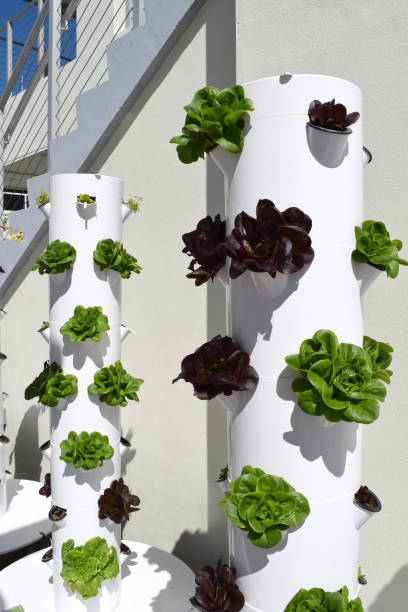
A hydroponic tower garden is a vertical, soil-free cultivation system that supports plant growth by circulating nutrient-rich water through a series of stacked planting ports. Unlike conventional beds, these towers recycle water, delivering moisture and essential minerals directly to the root zone. This continuous cycle not only conserves water but also promotes faster root development and healthier yields.
How Garden Towers Differ from Traditional Soil Gardens
Traditional gardens require expansive horizontal space, frequent weeding, and substantial soil preparation. In contrast, garden tower harness the power of verticality:
- Space Efficiency: Grow dozens of plants in under three square feet.
- Reduced Labor: No tilling, minimal weeding, and built-in irrigation.
- Controlled Environment: Consistent nutrient delivery and easier pest management.
Key Benefits of Garden Towers for Modern Growers
Space Efficiency and Vertical Gardening
Garden towers enable urban dwellers and small-space gardeners to maximize productivity. By stacking planting pods in multiple tiers, these systems transform balconies, patios, and even indoor corners into lush, edible landscapes. Whether you’re cultivating leafy greens or trailing strawberries, the vertical footprint ensures you make the most of every square inch.
Water Conservation and Sustainability
One of the hallmark advantages of a hydroponic tower garden is its dramatic reduction in water usage. Because the system recirculates water from the reservoir to the top planting level and back down through gravity, you can save up to 95% of the water compared to soil-based methods. This closed-loop design is especially beneficial in drought-prone regions or for gardeners seeking to minimize their environmental footprint.
Faster Growth and Higher Yields
Without the drag of heavy, inconsistent soil, plants in garden towers devote more energy to foliage, flowers, and fruit production. Many gardeners report harvests up to three times faster than in-ground beds. Improved oxygenation, precise nutrient delivery, and uniform hydration combine to accelerate germination, vegetative growth, and fruiting cycles.
Exploring the Design and Construction of a Premium Garden Tower
Layered Structure and Pot Spacing
A well-engineered garden tower typically features multiple layers—often six or more—each hosting several net pots. Thoughtful spacing between pots prevents canopy overlap, reducing competition for light and air circulation. This design ensures roots develop robustly without crowding, and foliage spreads freely for optimal photosynthesis.
Durable, Food-Safe Materials
Top-tier vertical gardens are constructed from BPA-free, food-grade polypropylene that resists cracking, warping, and UV degradation. With walls up to 2 mm thick and a sturdy base reservoir, these towers are built to last for seasons of planting, harvesting, and renovation. Easy-lock fittings and a leak-proof design further guarantee trouble-free operation.
Getting Started with Your Hydroponic Tower Garden
Assembly and Setup
Most kits arrive in modular components: stackable layers, reservoir tank, water pump, timer, and net pots. Assembly is straightforward—simply interlock the tower segments, position the pump in the reservoir, attach the delivery tube up the center, and plug in the timer. Once leveled and filled with water, introduce seedlings or rock-wool cubes to each net pot.
Optimal Water and Nutrient Cycles
To kickstart growth, set the timer for a cycle of 15 minutes on and 45 minutes off, running approximately 14–18 hours daily. Adjust the schedule for ambient temperature and plant maturity—seedlings may require more frequent misting, while mature crops thrive with slightly less. Regularly monitor pH and nutrient concentration to maintain an ideal 5.5–6.5 range.
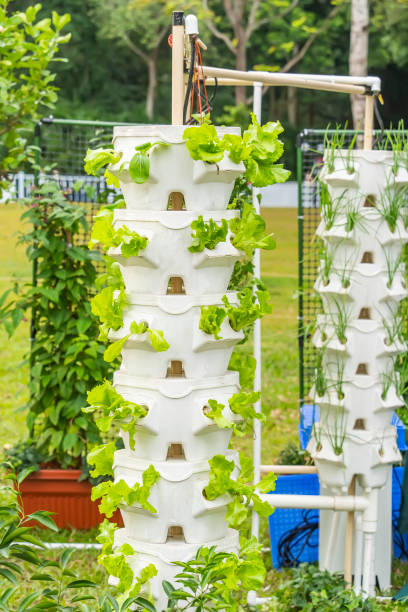
Maximizing Your Harvest: Tips for Growing Vegetables, Herbs, and Fruits in Garden Towers
Ideal Crops for Tower Cultivation
- Leafy Greens: Lettuce, spinach, kale, Swiss chard
- Herbs: Basil, cilantro, mint, parsley
- Fruiting Plants: Cherry tomatoes, strawberries, peppers
- Edible Flowers: Nasturtiums, borage, chamomile
Light, Temperature, and Maintenance Best Practices
- Light: Provide 12–16 hours of bright light per day. Supplemental LEDs can extend growing seasons indoors.
- Temperature: Maintain a range of 65–75 °F (18–24 °C) for most crops.
- Maintenance: Rotate seedlings in net pots to ensure uniform light exposure. Prune crowded foliage to improve airflow and reduce fungal risks.
Troubleshooting and Common Questions
Addressing Algae and pH Balance
Algae can form in exposed tubing or reservoirs. Prevent outbreaks by shading the reservoir and rinsing components every few weeks. Test your solution weekly and adjust with pH up or down to stay within the optimal window for nutrient uptake.
Pump and Timer Adjustments
If you notice uneven water distribution, check that the pump is rated for the tower’s height and flow rate. Clean the intake filter monthly to prevent clogging. Experiment with interval timing: hotter weather may require shorter off-cycles, while cooler conditions allow longer rest between waterings.
Conclusion
From dramatically reduced water usage to accelerated growth cycles, garden towers offer an innovative pathway to fresh, homegrown produce year-round. By combining the principles of aeroponics and hydroponics in a compact footprint, these vertical systems empower growers to maximize yields, conserve resources, and enjoy the satisfaction of harvesting vibrant, nutritious food.
With its soil-free, water-recycling design and user-friendly setup, the GX Tower exemplifies the future of sustainable gardening. Experience the benefits of smart vertical farming with ALTO Garden.
