
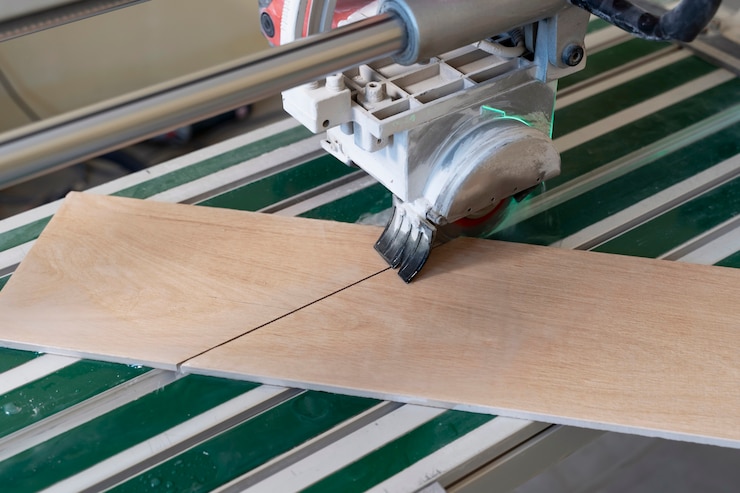
In the world of woodworking and detailed design, the CNC wood engraving machine stands as a revolutionary tool. Combining computer-guided precision with the traditional appeal of woodwork, this advanced equipment has transformed how artisans, hobbyists, and industrial manufacturers approach wood engraving. The result is faster production, consistent quality, and intricate patterns that would be difficult to achieve by hand.
How CNC Wood Engraving Machines Enhance Accuracy in Design
A CNC wood engraving machine uses computer numerical control to automate the carving process. This means a design is created digitally and then transferred to the machine, which follows exact specifications to engrave the wood. Unlike manual methods, there is little room for error, making the machine ideal for repeated and intricate tasks. This consistency is critical for professional woodworkers who value uniformity in batch production or need to meet high design standards.
The Difference Between CNC Wood Engraving and Laser Engraving
Although often compared, a CNC wood engraving machine is distinct from a laser engraving machine. The CNC version uses rotary cutters or tools to carve into the material physically. In contrast, a laser engraving machine utilizes a concentrated beam of light to burn or vaporize the surface of the wood. CNC engraving is preferred for deep cuts and textured finishes, while laser engraving is best for surface etching and high-speed designs. Depending on the depth and type of work you require, each method offers its unique advantages.
Applications of CNC Wood Engraving Machines in Modern Carpentry
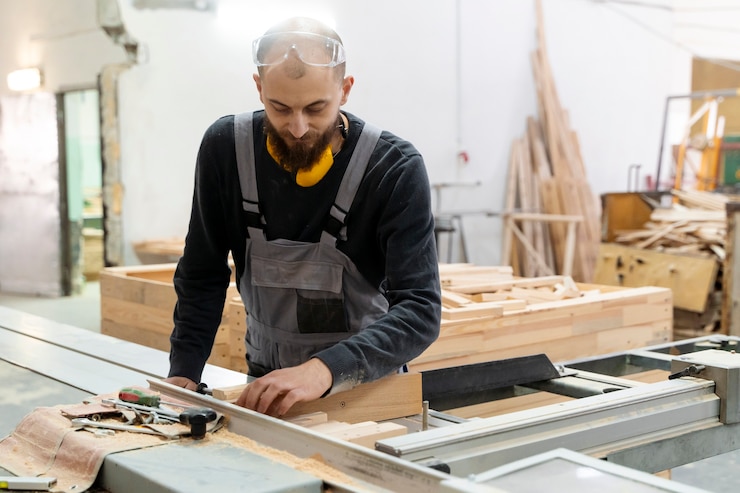
From furniture detailing to custom wall art, the applications of CNC wood engraving machines are vast. Many workshops use them for carving names, logos, intricate designs, or even 3D reliefs into various wood types. Sign-making businesses also benefit from these machines to produce high-detail signage with clean edges and precision.
Architectural designers utilize CNC wood engraving for molding patterns and decorative panels, while interior decorators use it to create custom home décor. Even in education and prototyping, CNC engraving machines are gaining popularity due to their versatility and ease of use.
Benefits of Using CNC Wood Engraving for Large Projects
For businesses and creators handling large volumes of work, CNC wood engraving machines save time and reduce labor costs. Once a design is input, the machine can replicate it across multiple wood pieces without quality variation. This level of automation also reduces material waste since the exact amount of material needed is calculated during programming.
Additionally, operators do not need advanced artistic skills to produce professional-looking work. The software guides the process, allowing individuals to experiment with designs and improve productivity without sacrificing detail.
Choosing the Right CNC Wood Engraving Machine for Your Needs
When selecting a CNC wood engraving machine, it’s important to consider factors like working area size, spindle power, compatibility with different software, and machine rigidity. A solid machine should be capable of handling hardwoods as well as softwoods, and be durable enough to withstand long working hours.
It’s also beneficial to choose machines that allow for software upgrades and tool customization, ensuring you can grow your creative capabilities as your needs evolve.
Conclusion: Combining Innovation and Art in Woodworking
The CNC wood engraving machine is more than just a modern tool—it’s a bridge between tradition and technology. It allows creators to push the boundaries of what’s possible in woodworking, opening up endless design opportunities. Whether you’re a skilled craftsman or a business owner looking to streamline production, incorporating CNC technology into your workflow can elevate your creations to a whole new level of precision and professionalism.
For those who want to achieve complex, repeatable, and clean engravings on wood with minimal manual effort, investing in a CNC wood engraving system is a forward-thinking step into the future of craftsmanship.
