
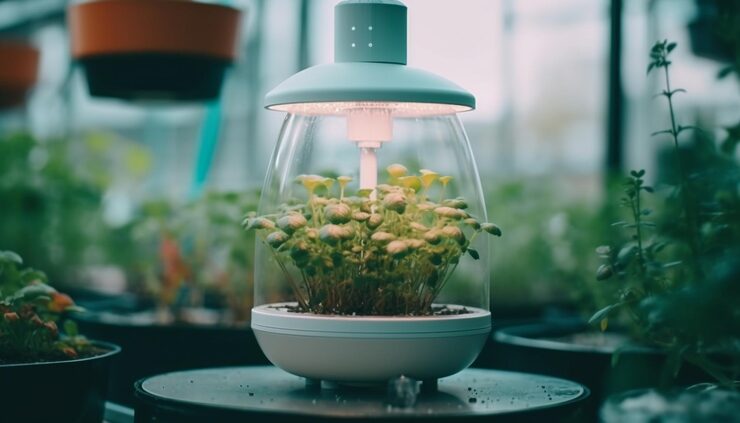
Indoor gardening has gained popularity among urban dwellers, hobbyists, and even professional growers. One of the most important tools for successful indoor gardening is a reliable germination light. Designed to provide the ideal light spectrum and intensity for plant growth, these lights make it possible to grow strong, healthy seedlings regardless of the season or available sunlight. In this guide, we will explore why germination lighting is essential, how it works, and tips to get the most from your indoor gardening setup.
The Importance of Light for Seedlings
Light is the driving force behind photosynthesis, the process that allows plants to convert light energy into food. Seedlings are especially sensitive during their early stages of development, and insufficient light can lead to weak, spindly stems and slow growth. By providing consistent, high-quality light, you give your seedlings the best start possible, leading to stronger plants and higher yields later on.
How Germination Lights Work
Germination lights are specifically designed to mimic the natural light spectrum plants need for early growth. They typically emit a balanced blend of blue and red wavelengths, with blue light encouraging leafy growth and red light supporting root and stem development. Unlike ordinary household bulbs, these lights produce the right intensity without generating excessive heat, protecting delicate seedlings from damage.
Advantages of Using Indoor Lighting for Seedlings
There are several reasons indoor gardeners choose dedicated lighting for seedlings:
- Year-Round Growth: Grow plants even in the middle of winter or in rooms without direct sunlight.
- Consistent Light Quality: Eliminate the variations caused by cloudy days or seasonal shifts.
- Faster Development: Provide optimal conditions that accelerate germination and growth.
- Controlled Environment: Maintain ideal conditions for plant health without relying on outdoor weather.
Choosing the Best Light for Your Needs
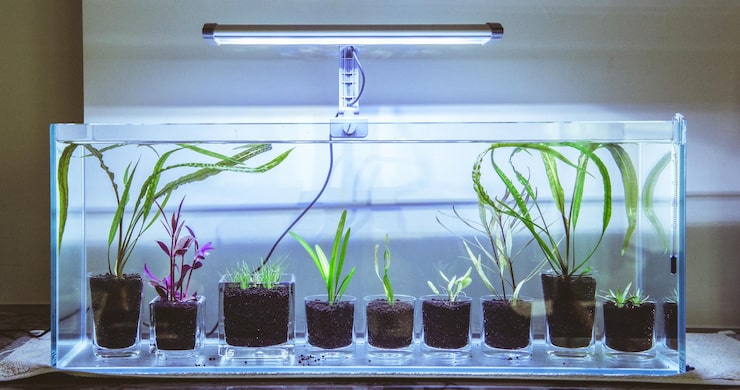
When selecting a germination light, consider your plant types, growing space, and budget. Compact LED systems are popular for small-scale indoor gardens, while larger multi-panel setups work well for bigger operations. LED technology is particularly energy-efficient, long-lasting, and generates minimal heat compared to older fluorescent options.
Placement and Duration Guidelines
Proper positioning of your light ensures even coverage and prevents plants from stretching toward the source. As a general rule, keep the light 2–4 inches above seedlings and adjust its height as plants grow. Most seedlings thrive with 14–16 hours of light per day, but it’s important to allow some darkness to maintain healthy growth cycles.
Midway Through the Growing Process
Once your seedlings have sprouted, upgrading to a more powerful grow light for seedlings can help them transition from early germination to vigorous vegetative growth. These lights are designed to support plants as they develop larger leaves and stronger stems, preparing them for transplanting or continued indoor cultivation.
Understanding Full Spectrum Lighting
A full spectrum grow light offers the entire range of wavelengths plants need from seed to harvest. This type of lighting is versatile enough to support all stages of plant development, meaning you can use the same setup for germination, vegetative growth, and flowering. Full spectrum lighting closely replicates natural sunlight, giving plants the balanced energy they need to thrive indoors.
Tips for Maximizing Germination Light Effectiveness
To make the most of your lighting setup, follow these practical tips:
- Combine Light with Proper Watering: Keep the soil consistently moist but not waterlogged to encourage healthy root development.
- Use Quality Seeds: Healthy seeds respond better to optimal lighting and are more likely to germinate successfully.
- Monitor Temperature: Seedlings typically prefer a slightly warmer environment, which can be maintained using heat mats alongside germination lights.
- Rotate Trays Regularly: Ensures even light exposure and prevents seedlings from leaning in one direction.
Common Mistakes to Avoid
Even with the right lighting, certain mistakes can hinder plant growth:
- Placing Lights Too Far Away: This causes seedlings to stretch and become weak.
- Overheating Plants: Even LEDs can cause heat stress if placed too close without airflow.
- Inconsistent Lighting Schedules: Irregular light cycles can stress plants and slow growth.
- Ignoring Other Growth Factors: Light is important, but nutrients, water, and proper air circulation are equally essential.
A Real-World Example of Success
Many home gardeners have transformed small indoor spaces into productive herb or vegetable gardens using germination lights. For example, basil, lettuce, and tomato seedlings grown under controlled lighting conditions often produce stronger, more compact plants that adapt well when transplanted outdoors. These plants also tend to have higher survival rates compared to those started in low-light conditions.
Conclusion
A germination light is one of the most effective tools for indoor gardening success. By delivering the ideal light spectrum and intensity, it ensures seedlings grow healthy, strong, and ready for the next stages of development. Whether you’re an experienced grower or a beginner, investing in a quality germination lighting system can dramatically improve your results. When paired with proper watering, nutrient management, and air circulation, your plants will flourish year-round, regardless of the weather outside. Indoor gardening has never been more accessible, and with the right lighting setup, your seedlings can thrive from the very start.
