
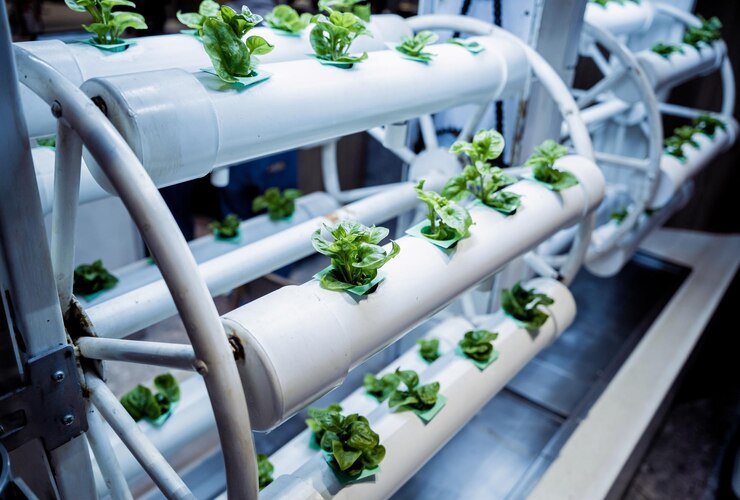
In the pursuit of sustainable and efficient farming techniques, hydroponic tower gardens have emerged as a revolutionary solution. These innovative vertical systems allow you to grow fresh produce at home without the need for traditional soil-based gardening. Hydroponic gardens have gained popularity due to their water efficiency, space-saving benefits, and ease of maintenance. This article explores the benefits, features, and components of hydroponic tower garden, with an emphasis on how they are transforming urban farming practices.
What is a Hydroponic Garden?
Hydroponic gardens are soil-free growing systems that provide plants with essential nutrients directly through water. Unlike conventional gardening, where plants rely on soil for nutrition, hydroponic systems deliver nutrients directly to plant roots, making them grow faster and more efficiently. Hydroponic gardens are typically designed with net pots that support the plant roots while they are exposed to nutrient-rich water. The water circulates through the system, allowing the roots to absorb the nutrients they need without being submerged in the water.
Key Advantages of Hydroponic Gardens
- Water Efficiency: Hydroponic gardens are known for their water-saving capabilities. Traditional farming methods waste a significant amount of water, but hydroponic systems recycle water, reducing water consumption by up to 95%.
- Space Efficiency: Hydroponic tower gardens use vertical space, allowing gardeners to grow plants in a small area. These systems are particularly beneficial for urban dwellers with limited space, such as those living in apartments or condos.
- Faster Plant Growth: The controlled environment in hydroponic gardens leads to faster plant growth. Plants in these systems receive optimal nutrients and water, which leads to more rapid development.
Hydroponic Towers: A Game Changer in Vertical Gardening
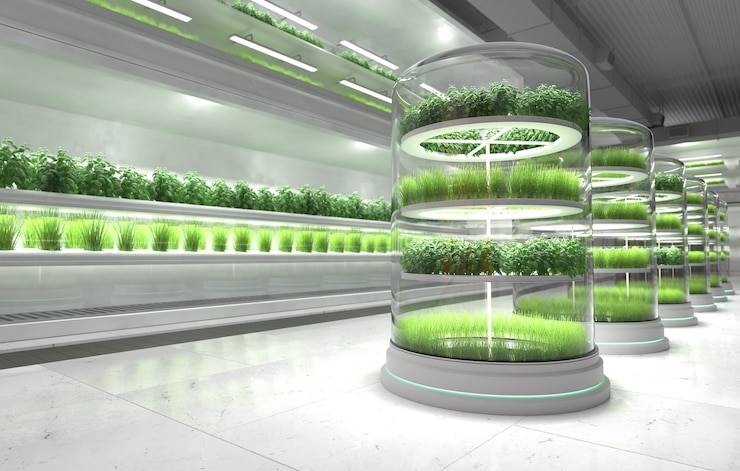
A hydroponic tower is a vertical structure designed for growing plants using hydroponic methods. These towers allow for more efficient use of space, as they enable the growing of plants in a vertical arrangement, which can significantly increase plant yield per square foot.
How Hydroponic Towers Work
Hydroponic towers operate by circulating water through the system. A pump sends nutrient-rich water to the top of the tower, where it flows down over the plant roots before returning to a reservoir at the bottom. This process is continuous, with water being pumped back up periodically to nourish the plants.
The design of the hydroponic tower ensures that plants receive the proper amount of light, water, and nutrients for optimal growth. This system uses very little water compared to traditional farming methods, making it an ideal solution for regions with limited water resources.
Components of Hydroponic Towers
- Reservoir: The base of the tower holds a water reservoir where the nutrient solution is stored. This water is recirculated throughout the system.
- Water Pump: The pump circulates the water through the tower to ensure the plant roots are nourished.
- Net Pots: These are used to hold the plant roots in place while allowing them to be exposed to the nutrient solution.
- LED Grow Lights: In indoor systems, LED grow lights are used to mimic sunlight, ensuring the plants receive the necessary light for photosynthesis.
The Benefits of Hydroponic Tower Gardens
Hydroponic tower gardens are changing the way we approach gardening. Their benefits go beyond water efficiency and space-saving features. Here are some key advantages:
- Sustainable Farming Practices
Hydroponic towers are environmentally friendly because they reduce the need for soil, synthetic pesticides, and herbicides. Plants are grown in a controlled, soil-free environment, reducing the environmental impact associated with traditional farming methods. Additionally, hydroponic systems use significantly less water, which is crucial in regions experiencing water scarcity.
- Ideal for Urban Living
Urban areas often face challenges such as limited space for gardening. Hydroponic towers address this issue by utilizing vertical space, making them a perfect solution for individuals living in apartments or urban environments where traditional gardening is not feasible. These systems can be placed on balconies, patios, or even indoors with the right setup.
- Year-Round Harvest
Since hydroponic garden are typically grown indoors or in controlled environments, they allow for year-round harvests. This is particularly beneficial in regions with extreme weather conditions or limited growing seasons. By using grow lights, hydroponic tower gardens can thrive regardless of external weather conditions.
- Increased Yield in Less Space
One of the most significant advantages of hydroponic tower gardens is their ability to grow more produce in less space. A single tower garden can yield a variety of vegetables, herbs, and even fruits in a small footprint. This makes it possible to grow a diverse range of crops, even in small apartments or urban environments.
Setting Up a Hydroponic Garden
Choosing the Right Location
Before setting up your hydroponic tower garden, it’s essential to choose the right location. If you’re growing indoors, place your tower garden near a window with plenty of natural light, or opt for a system with LED grow lights. If you’re growing outdoors, choose a location with access to sunlight, such as a balcony or patio.
Selecting Plants for Your Hydroponic Tower
Hydroponic towers can support a variety of plants, including leafy greens, herbs, and small fruiting plants. Some popular choices for hydroponic tower gardens include:
- Lettuce
- Spinach
- Kale
- Tomatoes
- Strawberries
- Basil
- Mint
It’s important to select plants that are well-suited for hydroponic gardening. Some plants, such as root vegetables, may not thrive in a hydroponic system due to their growing requirements.
Maintenance and Care
Maintaining a hydroponic tower garden is relatively simple. Since the system is automated, you won’t need to worry about hand-watering or weeding. However, you will need to monitor the water level and nutrient solution to ensure the plants are receiving the proper nutrients. Regularly check for signs of pests or diseases, and keep the system clean to prevent any buildup of algae or mold.
Conclusion
Hydroponic tower gardens represent the future of urban farming, providing an efficient and sustainable way to grow fresh produce at home. Whether you’re an urban gardener or someone looking to reduce your environmental footprint, a hydroponic garden can meet your needs. With benefits such as water efficiency, space-saving, and faster plant growth, it’s no wonder these systems are becoming more popular.
At ALTO Garden, we believe in the potential of hydroponic tower gardens to transform the way we grow food, making it accessible to everyone, no matter where they live. With easy-to-use systems and minimal maintenance, hydroponic towers provide a sustainable solution for growing fresh produce at home. Start your journey to a greener, more self-sufficient future today!
