
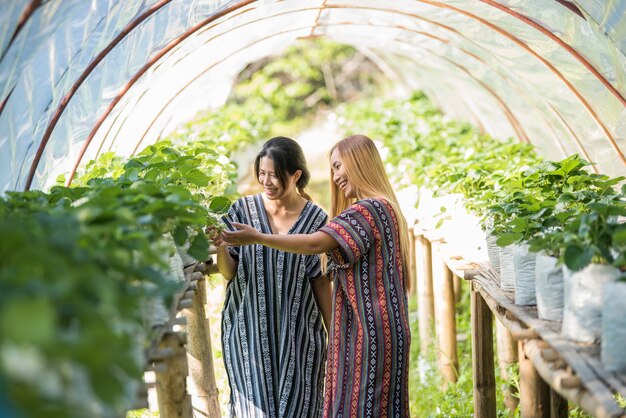
The world of gardening is constantly evolving, and one of the most exciting innovations is the vertical system, often referred to as a tower garden. This revolutionary approach to cultivation allows you to maximize your growing potential in minimal space, bringing the farm-fresh goodness right to your home. Whether you live in a sprawling house or a small apartment, a vertical grow tower offers a sustainable, efficient, and deeply rewarding way to cultivate your own food.
This guide will walk you through the essential steps of setting up and maintaining your vertical garden, from germination to harvest, ensuring you get the most from your system.
The Unmatched Benefits of a Vertical Garden Tower
Starting and growing your own vertical garden comes with a host of incredible advantages. Beyond the well-known benefits of growing organic food without pesticides, recycling water, and maximizing space, there is a singular, powerful experience that transforms first-time users: the unparalleled satisfaction of having farm-fresh food at your fingertips.
Imagine the intense aroma of freshly picked basil transforming your pasta sauce, or the satisfying crunch of home-grown lettuce in your sandwich. The joy of growing your own food in your garden tower is a fun and fulfilling hobby that connects you directly to the source of your meals.
Why Choose a Vertical System?
A vertical system like this uses hydroponic and aeroponic methods to grow vegetables, fruits, and herbs without soil. Here’s a quick look at the core benefits:
- Space Maximization: Grow 24 plants or more in less than three square feet, significantly increasing your yield per square foot compared to traditional gardening.
- Water Conservation: The system continuously recycles water, reducing water usage by up to 95%.
- Accelerated Growth: Plants often grow 3x faster due to the highly oxygenated root environment provided by aeroponics.
- Organic & Pesticide-Free: You have complete control over your food source, ensuring it is healthy and nutritious for your family.
Setting Up Your Grow Tower: From Box to Bloom
Assembly of your vertical system is designed to be straightforward, usually taking about 20 minutes without the need for specialized tools. The components simply snap and hand-tighten together.
What to Expect in the Box
Your system includes the essential structural and functional components: the tower layers, the reservoir tank, a water pump and its timer, broad-spectrum LED lights with a timer, and net pots for planting. You will also receive a free starter kit containing crucial items for your first grow cycle:
- Rockwool cubes for seed starting.
- A + B plant nutrients.
- A pH test pen for monitoring.
- A germination light.
Preparing the Nutrient Reservoir
This is the heart of your vertical system, providing all the necessary food and hydration for your plants.
- Add Water: Fill the reservoir with plain tap water until it almost reaches the top. Do not use softened or chlorinated water.
- Add Nutrients: Use a simple, high-quality solution of Type A + B plant nutrients. Follow the instructions on the label to add the correct milliliters per gallon, then stir the solution well to mix.
- Test and Adjust pH: The pH level is critical because it determines your plants’ ability to absorb the added nutrients. The ideal range is between 5.5 and 6.5. Since the pH tends to drift upward over time, aim to set it closer to 5.5 initially. Use pH Up or pH Down solutions sparingly, adding a small amount and re-testing until you hit the target range.
Transferring Seedlings: Your Simple Guide
Once your seeds have germinated and developed into healthy young plants, it’s time to transfer them into the tower garden.
Signs of Readiness
Your seedlings are ready for their new home when you observe these key indicators:
- Four Leaves Have Formed: The clearest sign is the appearance of two true leaves after the initial two cotyledons, bringing the total to four.
- Roots are Emerging: You should see small roots growing out from the bottom of the rockwool cube.
- Height: The seedling has reached 1–2 inches tall.
The Transfer Process
- Remove Extras (If Necessary): If you planted multiple seeds for redundancy, thin them out, leaving only one healthy seedling per rockwool cube.
- Insert into Net Pot: Gently hold the rockwool cube (not the plant) and insert it into a net pot.
- Place in the Tower: Drop the net pot into an open planting slot on your grow tower. Repeat until all your seedlings are transferred.
Essential Maintenance: Timers and Monitoring
The automated nature of the vertical system makes maintenance simple, but monitoring is key to ensuring continuous, robust growth.
Watering Schedule: Aeroponics in Action
The system uses an interval-based watering schedule, a technique known as aeroponics. Water is pumped up and rains down over the roots for a short period, followed by a longer ‘off’ period where the roots are suspended in air. This exposure to oxygen accelerates plant growth.
A good starting interval is 15 minutes on, 45 minutes off. The total number of hours per day this interval runs will vary:
- Indoor: 14–18 hours per day, depending on warmth.
- Outdoor: 18–24 hours per day, depending on the season and temperature. Adjust this as needed based on your plants’ appearance and the environment.
Lighting Schedule
If you are growing indoors, your LED lights provide the necessary spectrum for growth. A solid starting point for your lighting schedule is 14 hours on and 10 hours off. Plants, like all living things, need a dark cycle (rest) for optimal health and growth, so avoid leaving the lights on for 24 hours.
Maintaining Nutrient and pH Levels
- pH: Test the pH weekly with the included pen. As water cycles, the pH tends to drift upward. If it moves outside the 5.5–6.5 range, adjust it back down using pH Down.
- Water/Nutrients: Water will evaporate over time. Monitor your water gauge and ensure the reservoir is always at least one-quarter full so the pump remains submerged. Crucially, do not add nutrients directly to the existing reservoir water. When it’s time to refill, use a separate container, treat the fresh water with A + B nutrients, adjust the pH, and then add this properly treated water to the reservoir.
Harvesting for Maximum Yield
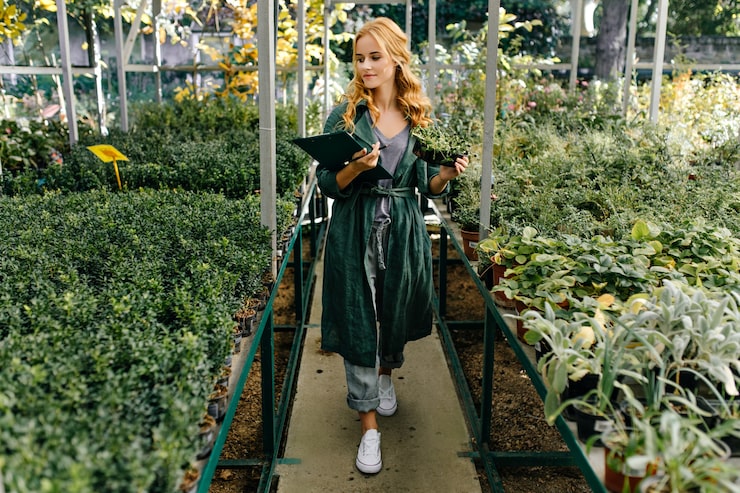
In just a few weeks, your vertical tower garden will be ready for harvest. The way you harvest can significantly impact your long-term yield.
Cut-and-Come-Again Method (Highly Recommended)
This method yields the most food over the long run. Simply harvest the older, outer, and lower leaves/stems by twisting them off at the base with your fingers. Leave the central part of the plant to continue growing. New leaves will continuously appear, allowing you to harvest from the same plant throughout the season.
Other Methods
- Cutting the Entire Plant at its Base: Cut across the bottom of the leaves (keeping 2-3 inches intact) with a knife. While fast, the second harvest volume will be lower.
- Pulling the Entire Plant: The fastest method, but you remove the entire plant. You must replace it with a new seedling.
Conclusion
Embracing the vertical system for growing your food is more than just a hobby; it’s a commitment to efficiency, sustainability, and unparalleled freshness. From the ease of assembly and automated maintenance to the rewarding experience of the harvest, a vertical grow tower simplifies gardening and maximizes your yield. By diligently monitoring the pH, water, and nutrient levels, and choosing the continuous harvesting method, you ensure a steady supply of healthy, home-grown produce.
To start your journey toward year-round, hyper-local food production, explore the highly efficient GX Tower from ALTO Garden.
