

A garage door is more than just a point of entry—it’s a crucial part of your home’s security and functionality. Yet, one of the most common yet often overlooked problems homeowners face is with garage door cables. These cables bear the weight of the door and keep it operating smoothly. When they snap or wear out, it can be not only inconvenient but also dangerous. In this article, we’ll explore the top garage door cable issues, how to recognize them early, and the best ways to repair or replace them safely.
Why Garage Door Cables Are So Important
Garage door cables work alongside the torsion or extension springs to lift and lower your door. They’re under a lot of tension, especially in heavy doors, and play a key role in counterbalancing the door’s weight. Without properly functioning cables, your garage door can become misaligned, stuck, or even fall suddenly.
Most cables are made from high-tensile steel and are designed to last years. However, wear and tear, corrosion, improper installation, and lack of maintenance can cause them to fray or snap over time.
Common Garage Door Cable Problems
1. Fraying or Worn Cables
Over time, cables can begin to fray due to constant use or rust buildup. This is especially common in areas with high humidity. If you notice broken strands or the cable appears thinner in places, it’s a clear sign of wear. Continuing to use the garage door in this condition could lead to a total cable break.
2. Snapped Cables
A snapped garage door cable is a serious issue. It can cause one side of the door to hang lower than the other, potentially pulling the door off track. If both cables snap, the entire weight of the door may crash down, which poses a safety hazard.
In such cases, it’s best to call a professional for garage door cable repair to avoid any risks associated with high-tension parts.
3. Cable Off the Drum
Sometimes, a cable might slip off its drum or spool, usually due to spring tension loss or obstructions in the track. This issue often results in uneven door movement or a jammed door. It might seem like a simple fix, but putting the cable back incorrectly can cause further damage.
Signs You Need Garage Door Cable Repair or Replacement
Look out for these warning signs:
- Door closes faster than usual or slams shut
- Jerky or uneven door movement
- Visible wear, fraying, or slack in the cable
- A loud snapping sound followed by poor door performance
- Crooked or misaligned garage door
Ignoring these signs can turn a small issue into a major repair. If you notice any of them, it may be time for garage door cable replacement by a trained technician.
DIY vs. Professional Help
While some homeowners attempt DIY garage door repairs, cable work isn’t recommended for amateurs. The tension in garage door systems can cause serious injury if handled improperly.
When to DIY:
- Minor lubrication or visual inspection
- Cleaning debris from tracks
- Tightening loose nuts or bolts (with the power disconnected)
When to Call the Pros:
- Broken or frayed cables
- Spring or drum-related issues
- Loud noises, crashes, or uneven movement
- Full cable replacements
A professional has the proper tools, training, and safety equipment to repair or replace cables without putting your family or property at risk.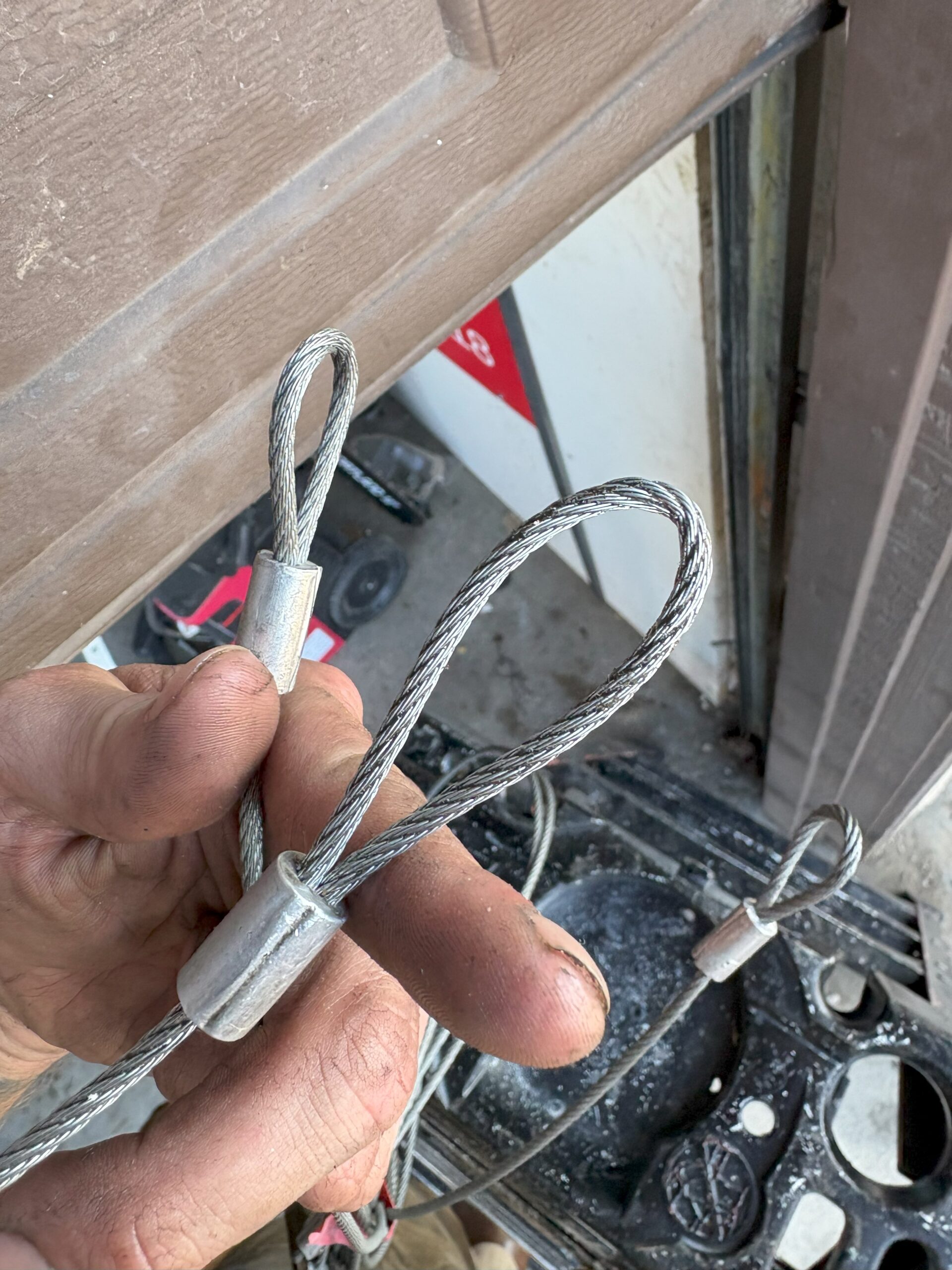
Preventing Future Cable Problems
Taking preventive measures can help extend the life of your garage door cables:
- Regular Inspections: Check for signs of wear or damage every few months.
- Lubrication: Use a silicone-based lubricant on moving parts to reduce friction.
- Professional Tune-Ups: Have your garage door system serviced by a professional annually.
- Keep Tracks Clean: Dirt or debris can cause cables to misalign or fray.
Final Thoughts
Garage door cables are small but mighty components that play a vital role in keeping your garage door functioning safely and smoothly. Whether it’s fraying, slipping, or snapping, cable issues should never be ignored. When in doubt, trust a professional to handle garage door cable repair or replacement, ensuring your home remains secure and your garage door operates as it should.
