
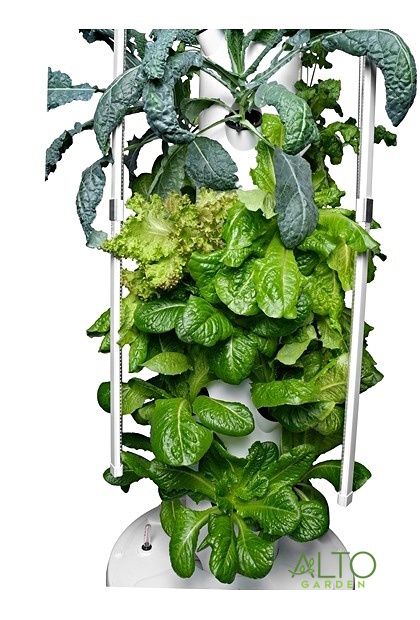
Gardening has evolved far beyond traditional soil plots. Today, enthusiasts and novices alike are discovering the incredible benefits of modern agricultural innovations, with the hydroponic tower leading the charge. This vertical farming system isn’t just a trend; it’s a transformative way to grow fresh, healthy produce in spaces previously thought impossible. A hydroponic tower allows you to cultivate a wide variety of plants, from leafy greens and herbs to fruits and vegetables, all within a compact, self-contained unit. By eliminating the need for soil and maximizing vertical space, these systems offer a sustainable and efficient solution for anyone looking to grow their own food, whether they live in a city apartment, a suburban home, or anywhere in between.
What Makes a Hydroponic Tower So Effective?
At its core, a hydroponic tower operates on a simple yet highly effective principle: delivering nutrient-rich water directly to plant roots. Instead of searching for nutrients in soil, plants in a hydroponic system receive a perfectly balanced solution, which accelerates their growth and boosts their overall health. This method is often a form of aeroponics, a sub-category of hydroponics, where roots are intermittently exposed to both the nutrient solution and oxygen. This dual exposure is critical; while water provides the necessary nutrients, air allows the roots to absorb oxygen, which is essential for respiration and preventing root rot.
The system’s design is ingeniously simple. A reservoir at the base holds the nutrient solution. A pump, often powered by electricity, circulates this solution to the top of the tower. From there, gravity takes over, allowing the water to cascade down through a series of pots or openings. As the water flows, it bathes the roots of each plant, providing them with everything they need to thrive. Any excess water drains back into the reservoir, creating a closed-loop system that is remarkably water-efficient. In fact, hydroponic systems can use up to 95% less water than traditional soil-based gardening, making them an eco-friendly choice for sustainable living.
Beyond Soil: The Hydroponic Advantage
The absence of soil is a key differentiator that brings a host of benefits. For starters, it eliminates soil-borne pests and diseases, reducing the need for chemical pesticides and making your produce cleaner and safer to eat. Without the mess of dirt, indoor gardening becomes a clean and pleasant activity. You can place your hydroponic tower in a living room, a kitchen, or even a home office without worrying about spills or mud. This cleanliness also contributes to a healthier indoor environment.
Another significant advantage is the potential for faster growth and higher yields. Because plants in a hydroponic tower receive an optimal supply of nutrients and oxygen, they don’t have to expend energy searching for resources. This allows them to focus on growing, leading to quicker harvests and more frequent yields. Many growers report that crops in hydroponic systems mature up to three times faster than their soil-grown counterparts. This means you can enjoy fresh produce year-round, regardless of the season or external climate conditions.
The Anatomy of a Hydroponic Grow Tower
Understanding the components of a hydroponic tower helps in appreciating its design and functionality. While designs can vary, most towers share a few essential parts:
- The Reservoir: This is the base of the tower, a tank that holds the water and nutrient mixture. It’s the lifeblood of the system, providing the necessary sustenance for your plants.
- The Pump: A small submersible pump sits inside the reservoir. Its job is to move the nutrient-rich water from the base to the top of the tower.
- The Tower Body: This is the main vertical structure, typically made of high-quality, food-grade, and BPA-free plastic. It features multiple growing ports or pockets where plants are placed. These ports are strategically spaced to prevent overcrowding and ensure each plant has adequate room to grow and receive light.
- Growing Medium: Instead of soil, a soilless medium like rockwool, clay pebbles, or coco coir is used to support the plants. This medium provides a stable anchor for the roots while allowing water and air to flow freely.
- Grow Lights: For indoor use, grow lights are a crucial component. They mimic the full spectrum of sunlight, providing the necessary light frequencies for photosynthesis. Adjustable lights are especially beneficial, allowing you to fine-tune the light intensity and distance as your plants grow and mature.
The construction of these towers is designed for durability and longevity. High-quality materials ensure that the tower will not crack, warp, or deform over time. A solid, one-piece design for each layer also minimizes the risk of leaks, protecting your floors and making maintenance a breeze.
Cultivating Your Own Produce
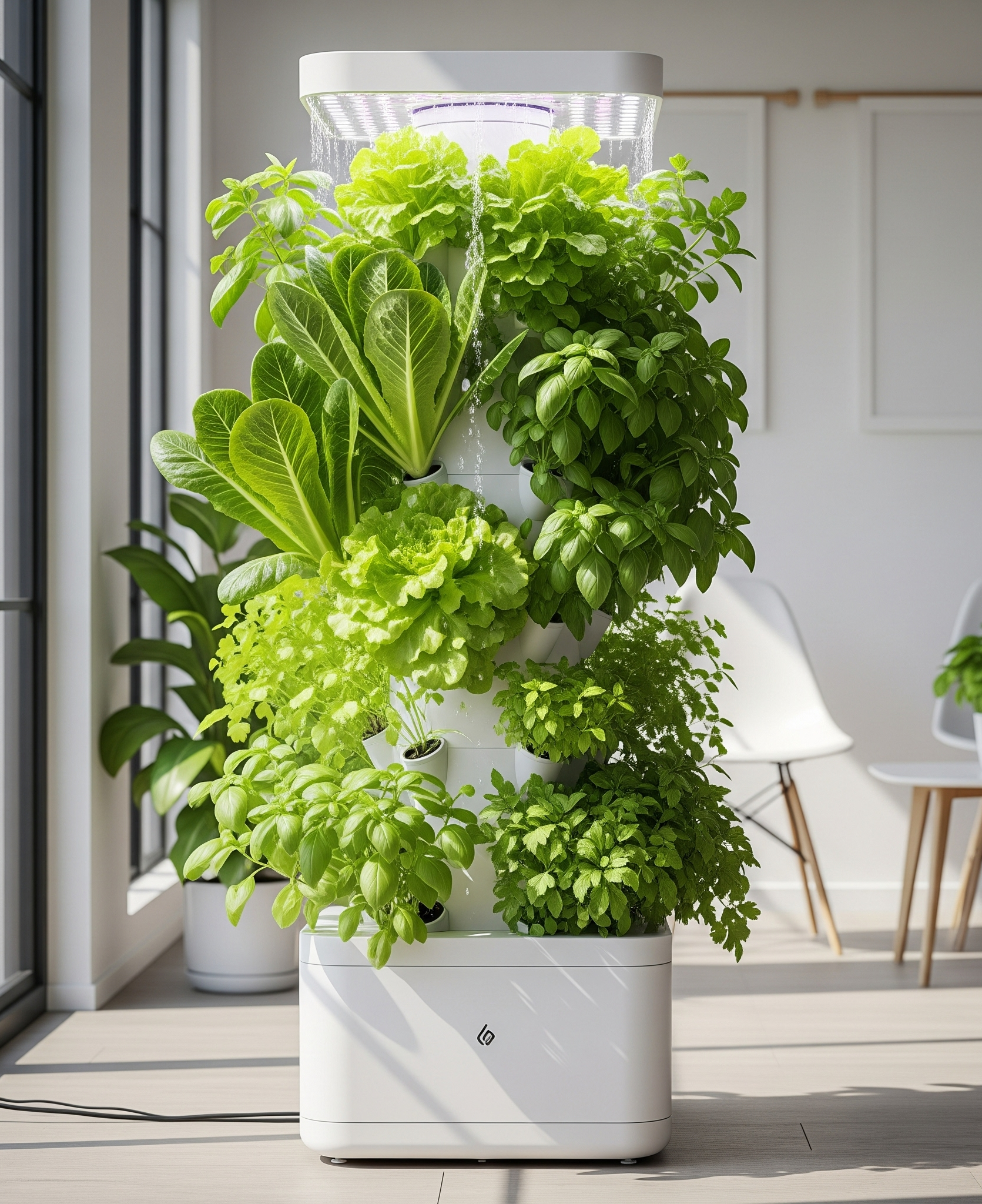
The process of growing with a hydroponic tower is surprisingly straightforward. It often begins with seeds germinating in a small rockwool cube or similar medium. Once the seedlings have established a few leaves, they can be carefully transferred to the grow tower. The system’s automated watering schedule, often a cycle of 15 minutes on and 45 minutes off, ensures the plants are consistently hydrated and aerated without constant manual intervention. This hands-off approach makes hydroponic gardening accessible to even the busiest individuals.
From leafy greens like lettuce and kale to herbs like basil and parsley, the possibilities are vast. You can also grow larger plants like tomatoes, peppers, and even strawberries. The ample spacing between pots in a well-designed tower prevents plants from competing for light and water, leading to uniform and healthy growth across all levels. This design ensures that every one of your plants has the space it needs to flourish.
Conclusion
The hydroponic tower represents a leap forward in personal agriculture. It merges technology with nature to create a highly efficient, sustainable, and convenient way to grow food. By bringing the garden indoors, it bypasses the limitations of space, climate, and soil quality, making fresh, homegrown produce a reality for everyone. Whether you’re a seasoned gardener or a complete beginner, a vertical grow tower offers a rewarding and eco-conscious way to connect with your food.
For those looking to start their vertical gardening journey, the ALTO Garden GX Hydroponic Tower Garden stands out. Its thoughtful design, including adjustable full-spectrum grow lights, efficient water recycling, and durable, food-grade construction, makes it an ideal choice for cultivating a vibrant indoor garden. The convenience and benefits of this system are clear: it saves space, conserves water, and provides a continuous supply of healthy, delicious food right at your fingertips.
