
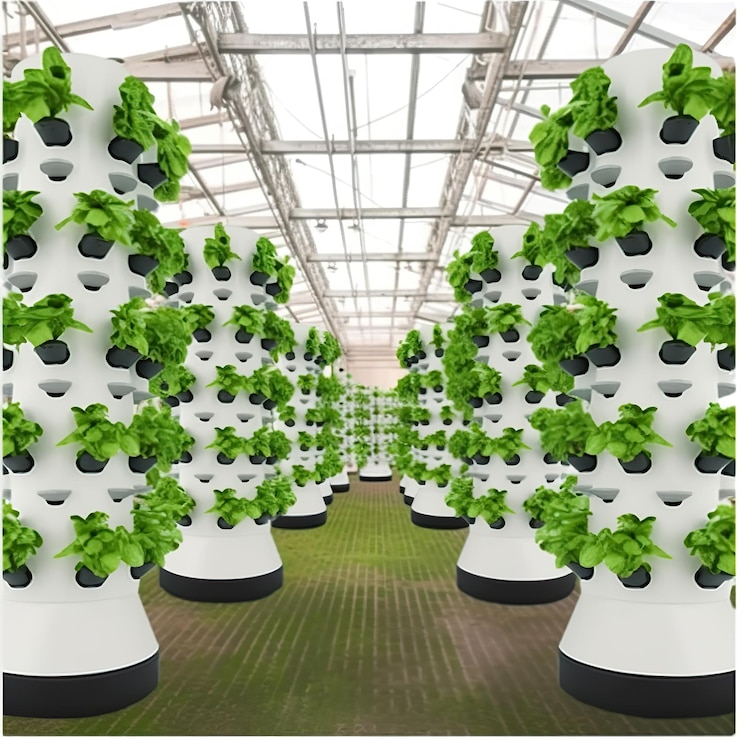
Aeroponic tower gardening represents a cutting-edge method of growing plants without soil, harnessing the power of mist, air, and nutrients to achieve accelerated growth rates. An aeroponic tower garden suspends plant roots in a closed-loop system that intermittently delivers a water-nutrient solution directly to the roots. This innovative approach allows gardeners—whether seasoned hobbyists or newcomers—to cultivate herbs, leafy greens, and even fruits in a fraction of the space and time required by traditional soil-based methods.
Vertical farm designs like aeroponic towers have surged in popularity for both residential and commercial applications. With urban populations rising and arable land shrinking, these space-efficient systems offer a sustainable answer to fresh produce demands. By stacking multiple planting sites within a single tower, you can grow dozens of plants in less than one square meter, whether in your backyard, balcony, or living room.
Understanding the Aeroponic Tower Garden System
At its core, an aeroponic tower garden is composed of three main elements: a reservoir, a water pump and delivery network, and the vertical tower modules themselves.
Components of an Aeroponic Tower
- Reservoir – Holds the nutrient-enriched water solution. Closed-loop recirculation conserves up to 95% of water compared to soil gardening.
- Water Pump – Forces solution up through the tower; submersible pumps are common in consumer units, while larger operations may use high-pressure external pumps.
- Tower Modules – Stacked planting collars made of food-grade materials. Roots dangle freely inside each module and are misted every 10–20 minutes, ensuring continuous access to moisture, oxygen, and nutrients.
The result is a highly oxygenated root zone that supports faster nutrient absorption and vigorous plant growth. Studies have shown that aeroponically grown plants can mature up to three times faster than those grown in soil, thanks to superior oxygen uptake and direct nutrient delivery.

Aeroponic vs Hydroponic Towers: Key Differences
While aeroponic tower gardens fall under the broader umbrella of hydroponics, there are important distinctions between aeroponics and other hydroponic towers:
- Root Exposure
- Aeroponic Towers: Roots hang freely in the air and are misted intermittently, maximising oxygen access.
- Hydroponic Towers: Roots may be submerged or continuously bathed in nutrient film (NFT) or flood-and-drain systems.
- Water Usage
- Aeroponic setups recirculate water in a fine mist, reducing waste and evaporation.
- Hydroponic towers also recycle nutrient solution but often require larger volumes due to root submersion.
- Growth Rate
- Aeroponic methods typically yield the fastest growth, followed by NFT hydroponics, and then deep-water culture.
- Enhanced oxygenation in aeroponic towers boosts metabolic activity in roots, accelerating development.
- System Complexity
- Aeroponic towers demand precise maintenance of nozzles and mist cycles.
- Hydroponic tower, while still technical, often relies on simpler flood schedules or steady nutrient films.
Understanding these nuances helps growers choose the method that aligns with their space, budget, and technical comfort level.
Benefits of Aeroponic Tower Gardening
- Rapid Growth
With roots bathed in a nutrient mist and abundant oxygen, plants can grow up to three times faster than in soil. - Water Efficiency
Closed-loop reservoirs cut water consumption by up to 95%, making aeroponic towers ideal for drought-prone regions. - Space Optimization
Vertical stacking allows cultivation of 20+ plants per square meter, perfect for urban balconies or indoor setups. - Nutrient Precision
Fine-tune macro- and micronutrient levels to match specific crop needs without soil’s buffering unpredictability. - Reduced Disease Risk
Suspending roots in air minimises issues like root rot and soil-borne pathogens. - Cleaner Harvests
No soil means no mess—ideal for indoor kitchens or classrooms.
Selecting Plants and Maintenance Tips
Best Crops for Aeroponic Towers
- Leafy Greens: Lettuce, kale, arugula, and spinach thrive in misted environments and cycle quickly.
- Herbs: Basil, parsley, mint, and cilantro offer high yields in compact footprints.
- Fruiting Varieties: Tomatoes, strawberries, and peppers can be grown with added trellis support.
Key Maintenance Practices
- pH Monitoring: Aim for a solution pH of 5.5–6.5; test weekly to prevent nutrient lockout.
- Misting Schedule: Start with 15 minutes on, 45 minutes off, adjusting frequency as temperatures rise.
- Reservoir Care: Clean and refill every two weeks; monitor water levels daily to keep the pump fully submerged.
- Lighting: For indoor towers, provide 12–16 hours of LED grow light per day, positioning fixtures 6–10 inches above foliage.
- Temperature & Humidity: Maintain air temperatures between 65–78°F (18–25°C) and relative humidity around 60%.
Regular observation and fine-tuning ensure robust growth cycles and bountiful harvests from your aeroponic tower garden.
Conclusion
Aeroponic tower gardening stands at the forefront of soilless cultivation, delivering unmatched growth rates, resource efficiency, and space savings. Whether you’re seeking fresh herbs year-round in a city apartment or exploring sustainable farming in arid climates, these vertical systems provide a scalable solution. By mastering the interplay of mist, nutrients, and oxygen, home gardeners and commercial growers alike can revolutionise their green practices—no soil required.
ALTO Garden embraces this innovative spirit, empowering growers with state-of-the-art aeroponic tower solutions that nurture healthier plants, conserve vital resources, and transform the way we cultivate our food.
