
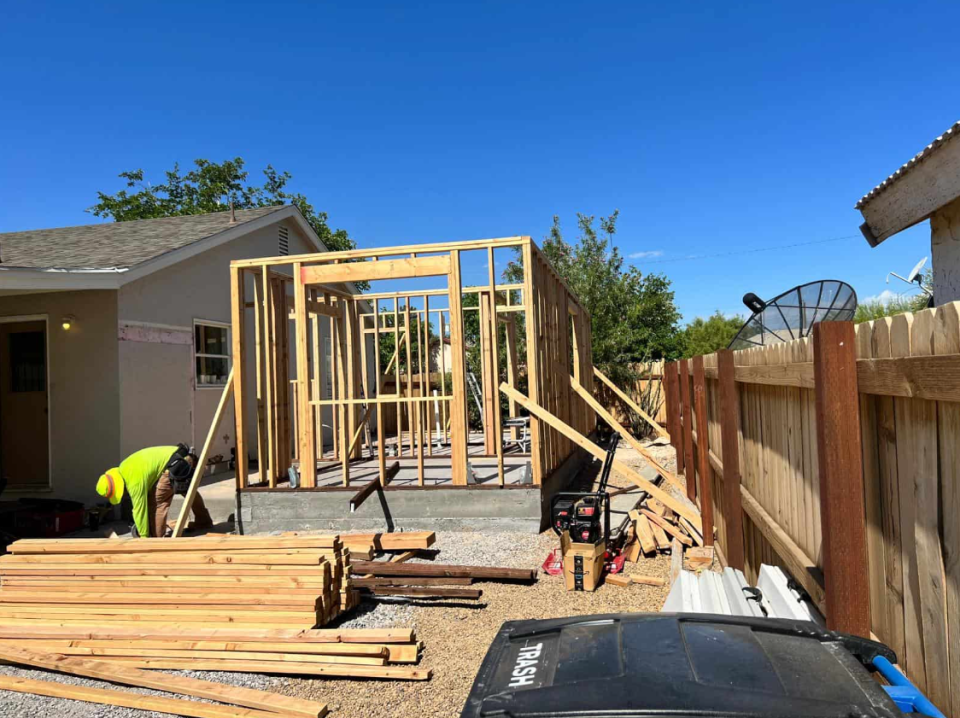
When we think about building a home, most of us picture beautiful kitchens, cozy bedrooms, or stylish living rooms. But behind all that beauty lies a structure that holds everything together — the frame. Often overlooked, framing is one of the most crucial steps in construction. Whether you’re starting a new build or renovating, hiring a skilled framing contractor can make all the difference in the safety, durability, and design of your home.
What is Framing and Why Does It Matter?
Framing is the structural skeleton of a building. It supports the walls, roof, and floors and determines the overall shape and stability of the home. Without strong framing, the entire structure is at risk — no matter how beautiful the finish may be.
Imagine building a house without a solid foundation; framing is just as important. It ensures everything is level, plumb, and square, making the rest of the construction process smooth and accurate.
Types of Framing Techniques
There are several types of framing methods used in construction. Each has its pros and cons depending on the design, climate, and budget.
1. Platform Framing
The most common method in modern residential construction, platform framing involves building one floor at a time. It’s affordable, efficient, and provides excellent support. Each floor acts as a platform for building the next level.
2. Balloon Framing
An older technique, balloon framing uses long, continuous framing members that run from the foundation to the roof. It’s less common today because it requires longer lumber and poses fire risks due to open vertical spaces.
3. Timber Framing
Popular for rustic or traditional homes, timber framing uses large wooden beams and minimal metal fasteners. While beautiful and durable, it is more expensive and labor-intensive than other methods.
Importance of Choosing the Right Materials
Framing isn’t just about technique — the materials used play a huge role in a home’s integrity.
- Lumber: Still the most commonly used framing material, especially softwoods like pine or fir.
- Steel: Becoming more popular for commercial and residential buildings. It’s termite-resistant and very strong.
- Engineered Wood: Products like LVL (laminated veneer lumber) provide strength, uniformity, and resistance to warping.
When choosing materials, it’s crucial to consider local climate conditions, budget, and the overall design of the home.
Why Hiring Professionals Matters
Many homeowners are tempted to cut costs by hiring cheaper labor or trying to DIY parts of the framing process. But poor framing can lead to crooked walls, sagging floors, and even structural failure.
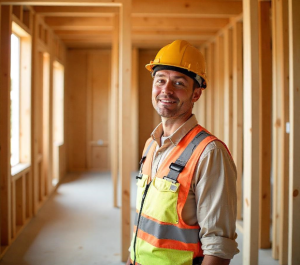
That’s why it’s essential to hire an experienced team that specializes in home framing. Not only will they follow proper safety codes and best practices, but they’ll also ensure that every angle, beam, and stud is perfectly placed.
 Red Flags When Hiring a Framing Contractor
When selecting a framing contractor, be aware of potential warning signs:
- Lack of license or insurance
- No past projects or customer references
- Vague or incomplete estimates
- Poor communication or unwillingness to answer questions
A reliable contractor will be transparent, knowledgeable, and happy to share their previous work and customer feedback.
Real-Life Example
Take the case of a homeowner in Las Vegas who wanted to renovate a historic home. They initially hired a general handyman, which led to uneven walls and delays. After switching to a certified framing contractor, not only was the structure corrected, but the entire project was completed ahead of schedule with excellent results. It shows how professional framing sets the tone for the entire build.
Conclusion: Don’t Cut Corners on the Frame
Framing may be behind the scenes, but it’s one of the most important aspects of building a home. A well-framed house is safer, more energy-efficient, and better prepared to handle the test of time. Whether you’re building from scratch or upgrading an old structure, never underestimate the value of skilled craftsmanship.
