
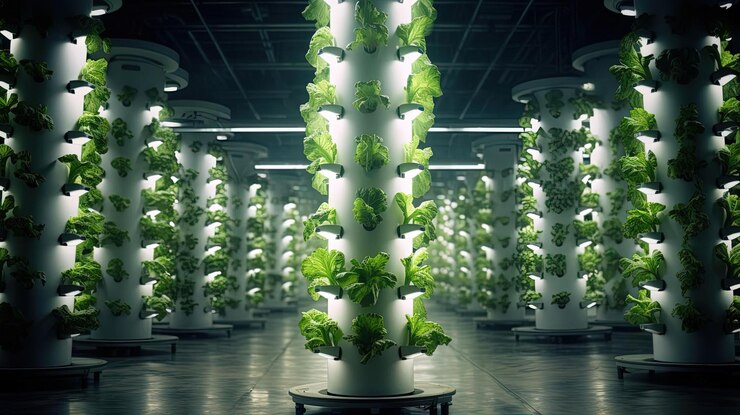
In the quest for sustainable and space-saving agricultural solutions, aeroponic tower garden systems have emerged as a revolutionary alternative to traditional soil-based gardening. These systems utilize vertical space to grow plants in stacked columns, with plant roots suspended in the air and misted with nutrient-rich water. As urban populations rise and arable land becomes scarcer, technologies like aeroponics and hydroponics provide viable paths forward for food production—right from your home, balcony, or rooftop.
Unlike conventional gardening methods, an aeroponic tower garden relies on a closed-loop system that recycles water, reduces nutrient waste, and significantly increases oxygen absorption for roots, promoting faster plant growth. With benefits such as up to 3x quicker harvest cycles, minimal water usage, and virtually no mess, these systems are ideal for both indoor and outdoor applications.
How Does an Aeroponic Tower Work?
Water-Efficient and Gravity-Powered System
An aeroponic tower typically includes a reservoir filled with nutrient-rich water, a water pump, and multiple planting compartments stacked vertically. Water is pumped to the top of the tower and trickles down through the interior, misting the exposed roots on its way back to the reservoir. This closed-loop mechanism ensures maximum water efficiency, with up to 95% less water used compared to soil gardening.
Key Components of the System
- Reservoir: Holds the nutrient solution and ensures consistent delivery.
- Pump: Circulates the solution to the top of the tower.
- Grow Chambers: House individual plants.
- Misting Nozzles: Spray nutrients onto the exposed roots.
- Lighting (optional): LED grow lights can simulate sunlight for indoor growing.
Why Roots in Air Matter
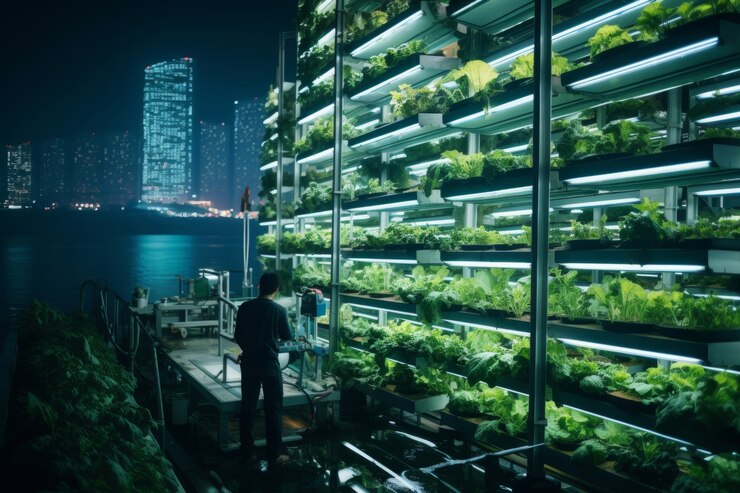
Root exposure to air allows for higher oxygen intake, a crucial factor in root respiration, which significantly accelerates growth. In contrast to hydroponic tower garden systems that submerge roots in water, aeroponic towers optimise oxygen delivery while still providing all necessary nutrients through misting.
Aeroponics vs. Hydroponics: What’s the Difference?
Shared Foundations, Distinct Techniques
Both aeroponic and hydroponic tower garden systems fall under the umbrella of soilless farming and share the core principle of nutrient delivery via water. However, they differ in execution:
- Hydroponic systems typically immerse roots in water or use substrates like perlite or coco coir.
- Aeroponic towers suspend roots in air and mist them with a nutrient solution at intervals.
This distinction allows aeroponics to offer more oxygen and better nutrient absorption, albeit at the cost of slightly more technical setup and maintenance.
Benefits of Aeroponic Tower Gardens
- Space-Saving Vertical Design
An aeroponic tower garden allows for vertical farming, requiring only a fraction of the space used in traditional horizontal gardens. This makes it ideal for urban dwellers or those with limited land.
- Faster Growth and Higher Yields
Plants grow up to 3x faster due to optimal oxygen and nutrient delivery. This results in more harvest cycles per year and increased food security.
- Exceptional Water Efficiency
Aeroponic systems use up to 95% less water than soil-based farming. This makes them especially beneficial in drought-prone or arid regions.
- No Soil, No Mess
No weeding, no tilling, and no soil pests. The cleanliness of hydroponic and aeroponic systems makes them suitable for indoor environments like kitchens, sunrooms, or greenhouses.
- Eco-Friendly and Sustainable
With reduced water and nutrient usage, these systems have a smaller environmental footprint, especially when paired with solar-powered lighting or rainwater harvesting.
Ideal Plants for Aeroponic Towers
Aeroponic systems excel with fast-growing, leafy crops and herbs. Here are the top choices:
- Leafy Greens: Kale, lettuce, spinach, arugula
- Herbs: Basil, mint, parsley, thyme
- Fruits and Vegetables: Strawberries, tomatoes, cucumbers (with support)
Using Aeroponic Towers in Different Environments
Urban Homes and Apartments
Perfect for indoor farming with limited square footage. Using LED grow lights, you can grow fresh greens year-round.
Arid and Drought-Prone Regions
Due to their efficient water use, aeroponic towers are a game-changer in dry climates with minimal rainfall or expensive irrigation.
Educational and Commercial Applications
Schools, restaurants, and startups are leveraging these towers for on-site fresh produce, integrating sustainability into their operations.
In Space: The Ultimate Application
Aeroponic technologies have even been tested by NASA for space missions. Their compact size, low water use, and clean operation make them ideal for space agriculture.
Challenges and Considerations
- Power Dependency: These systems rely on pumps and timers; a power outage can affect nutrient delivery.
- Initial Cost: Higher upfront investment than traditional gardens.
- Technical Learning Curve: Requires understanding pH levels, nutrients, and system maintenance.
However, these challenges are minimal when balanced against the benefits of efficiency, sustainability, and productivity.
Conclusion
Aeroponic tower gardens represent the future of food production, especially in urban, space-limited, or environmentally sensitive areas. Whether you’re looking to reduce your grocery bill, grow more nutrient-dense food, or simply enjoy gardening without the mess, aeroponic systems offer an innovative and effective solution.
If you’re ready to take the next step into the world of vertical farming, consider starting with a system from ALTO Garde, a leading name in aeroponic tower technology. Their systems are designed for efficiency, ease-of-use, and maximum yield, bringing the farm directly to your living space.
